Coloring Books About Indian Gods: A Parent's Buying Guide
Choosing an Indian gods colouring book for children is not only about finding attractive pages. Parents often look for illustrations that feel warm, respectful, child-friendly, and suitable for their child's age.
A good book should make it easy for children to enjoy coloring while opening the door to simple conversations about culture, stories, values, and festivals. It should feel inviting enough for a child to pick up independently, while also giving parents, grandparents, and teachers a natural way to share meaningful family traditions.
For some children, a Krishna-themed book may be the perfect match because they love music, animals, and playful stories. Others may be drawn to Ganesha's familiar, gentle imagery, Hanuman's courage, or Lord Rama's inspiring journey. A mixed Hindu gods coloring book can be ideal for families who want variety or are still discovering which stories interest their child most.
This guide will help you compare themes, choose the right level of detail, and find an Indian deity coloring book that feels personal to the child receiving it.
What Parents Should Look for in an Indian Gods Coloring Book
The right coloring book should balance creativity, cultural connection, and age-appropriate design. Before buying, look beyond the cover and consider how the book will actually be used.
Will your child enjoy coloring independently? Will you use it during festivals or family visits? Is it a birthday gift, a temple-class activity, or a screen-free option for travel? The answers can help you choose a book that feels useful, not just beautiful.
Child-friendly illustrations
Look for pages with clear outlines, friendly expressions, and enough open space for children to color comfortably. Younger children usually prefer larger areas and simpler designs, while older children may enjoy more decorative details, patterns, and story scenes.
A book does not need to be overly detailed to be meaningful. Simple pages often give children more confidence because they can complete a picture without feeling overwhelmed.
Respectful presentation
For many Hindu families, images of deities are sacred as well as culturally meaningful. Choose a book with a gentle, respectful art style that is suitable for children.
Friendly illustrations can still be respectful. The goal is not to make the images formal or intimidating, but to present them with care while allowing children to engage through art and imagination.
It can also be helpful to encourage children to store completed pages in a folder, display them thoughtfully, or turn them into keepsakes rather than treating them as disposable scraps of paper.
Themes that match the child's interest
The best Indian gods colouring book is often the one linked to a child's existing interests. A child who loves animals, music, and playful stories may connect naturally with Krishna. A younger child may enjoy Ganesha's recognisable elephant-headed form and festive details. A child who likes brave characters may be drawn to Hanuman. A child who enjoys longer stories and meaningful choices may respond well to Lord Rama.
Choosing by interest makes the book more likely to be opened, colored, and revisited.
A format that suits the occasion
Think about when and where the child will use the book. For travel, choose a compact book with clear pages that work well with crayons or colored pencils. For festival gifts, pair the book with art supplies and a short storybook. For a classroom or Bal Vihar setting, a mixed collection can give several children more choice.
A coloring book becomes more valuable when it fits easily into a family's everyday routine.
Age-Appropriate Hindu Deity Illustrations
Children ages four and twelve may both enjoy coloring, but they usually enjoy it in different ways. Choosing the right level of detail helps children feel confident and engaged.
Ages 4-6: Simple, cheerful, and easy to color
For preschool and early primary ages, look for bold outlines, large coloring spaces, and familiar images. Young children often enjoy bright crayons, broad shapes, and pages they can finish in one sitting.
- Ganesha with flowers, modaks, or festive decorations
- Little Krishna with a flute, peacock feather, or cow
- Diyas, lotus flowers, rangoli patterns, or peacocks
- Simple Hanuman or Rama-inspired illustrations
At this age, avoid focusing too much on coloring inside the lines. Let children choose their own colors and feel proud of their work.
Ages 7-9: Stories, scenes, and conversation starters
Children in this age range may enjoy pages with more characters, decorative elements, and story-inspired scenes. They are often ready to connect artwork with short stories or simple values.
A Krishna page can become a conversation about music and friendship. A Ganesha page can lead to ideas about learning and new beginnings. A Hanuman page can support a discussion about courage or helping others.
- What do you think is happening in this picture?
- Which part would you color first?
- What would you add to the background?
- What quality do you notice in this character?
Ages 10-12: More detail and creative freedom
Older children may enjoy colored pencils, gel pens, patterns, and more intricate line art. They may want to spend extra time on shading, decorative borders, or creating their own backgrounds.
A mixed Hindu gods coloring book can be especially useful at this age because it offers variety. Older children may enjoy comparing characters, recognising symbols, or choosing the deity and story they would like to explore further.
Choosing One Deity or a Mixed Collection
One of the biggest choices parents face is whether to buy a single-deity book or a broader collection featuring several deities of India. There is no single right answer. It depends on the child, the occasion, and how the book will be used.
When a single-deity coloring book is the best choice
Choose a book focused on one deity when the child already has a favorite story, festival, or connection.
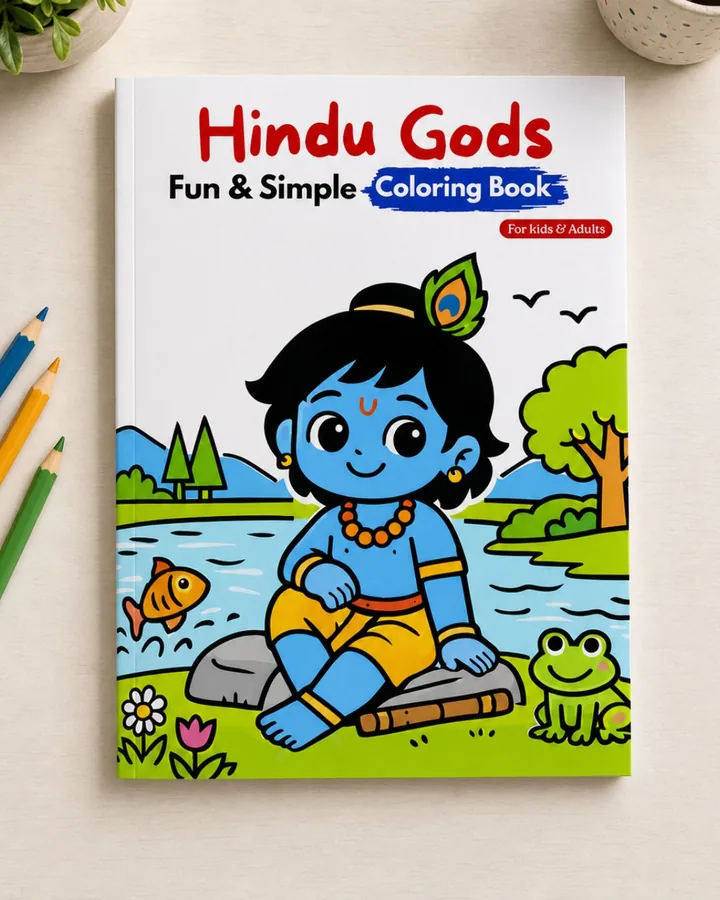
A Krishna coloring book may be ideal for Janmashtami, a child who loves Little Krishna stories, or a family that enjoys Krishna bhajans and traditions. A Ganesha coloring book can be a welcoming first choice for younger children, Ganesh Chaturthi celebrations, or a child beginning a new school year.
A Hanuman book may suit a child who enjoys adventure, courage, and action-filled storytelling. A Rama coloring book may appeal to children who enjoy the Ramayana, family stories, or Rama Navami and Diwali activities.
When a mixed Hindu gods collection is the best choice
A broader Indian deity coloring book is useful when:
- You are not sure which deity the child likes most.
- Siblings will share the book.
- You are buying for a classroom, temple class, or Bal Vihar group.
- You want a gift with more variety.
- Your child enjoys discovering new stories and symbols.
A mixed collection can also make an excellent follow-up gift after a child has completed a single-theme book.
Consider the learning style
Children who enjoy repeating favorite stories may prefer one deity-focused book. Children who enjoy variety may prefer a larger collection with Krishna, Ganesha, Hanuman, Rama, and other familiar figures.
Let the child's personality guide the decision. A book they are excited to open is always the better choice.
Krishna, Ganesha, Hanuman, and Rama Themes
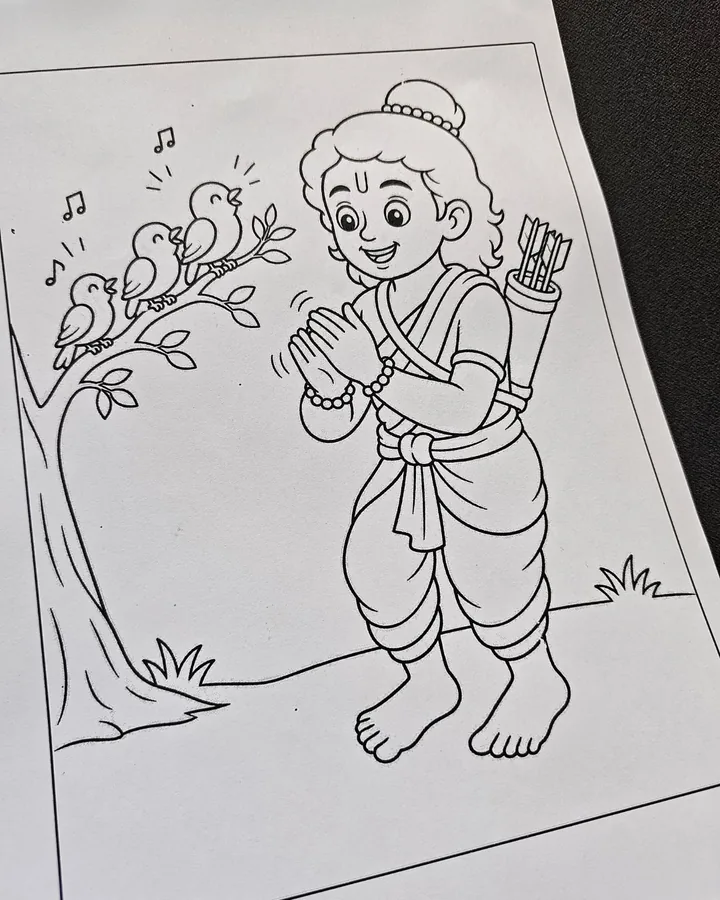
Each deity-inspired theme offers a different type of creative experience. Use the following guide to match the book to your child's interests.
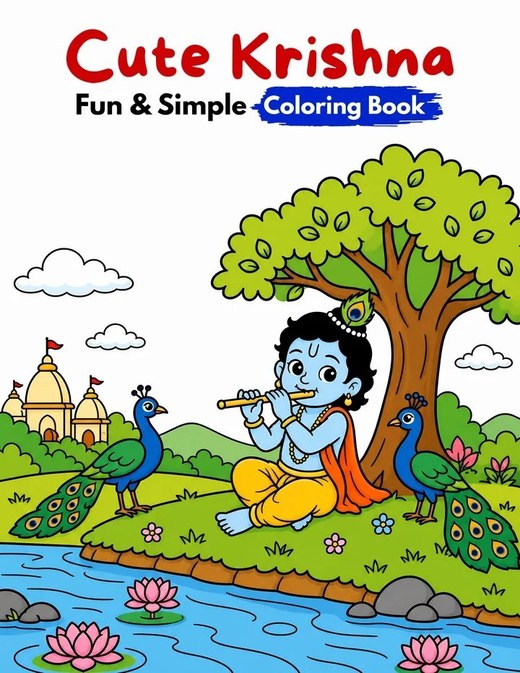 Krishna Coloring Book
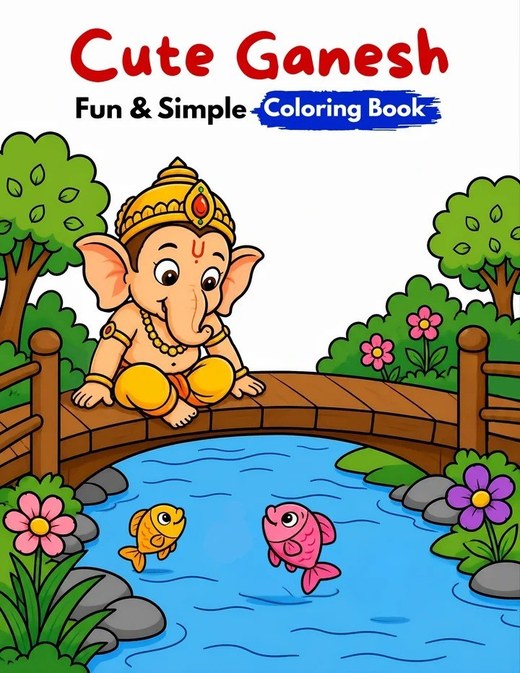 Ganesh Coloring Book
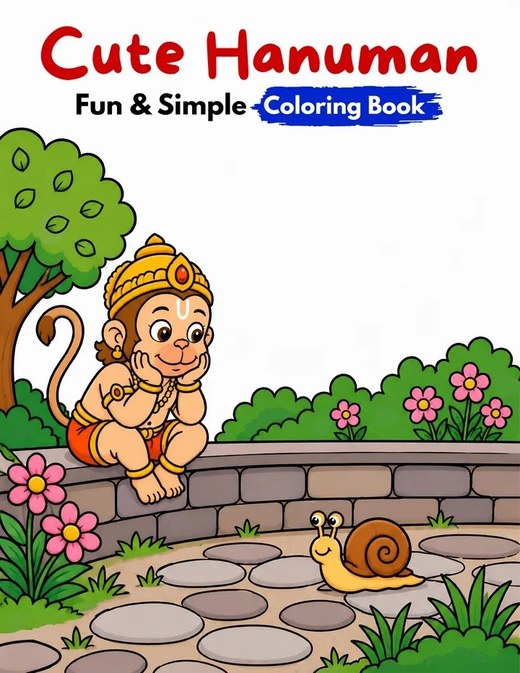 Hanuman Coloring Book
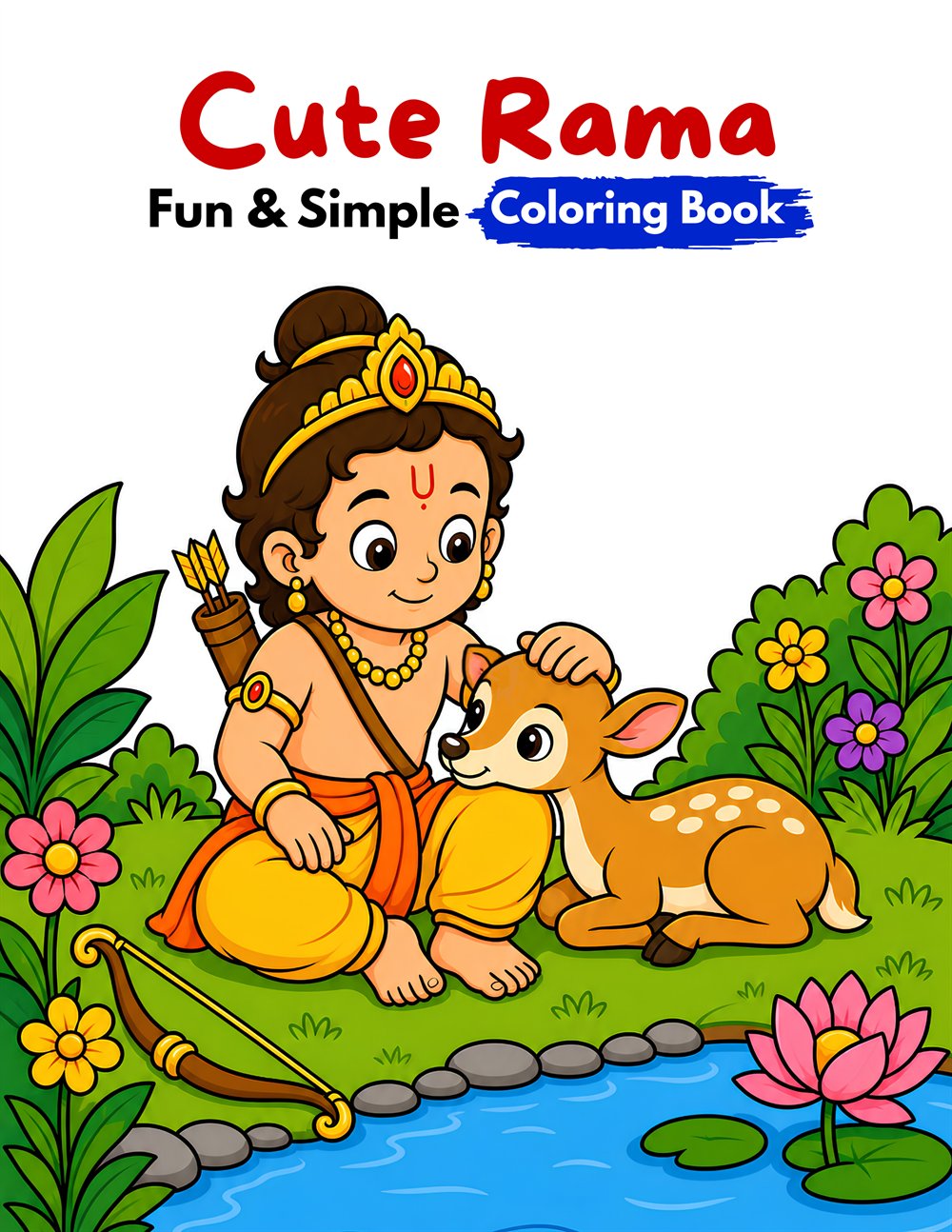 Rama Coloring Book
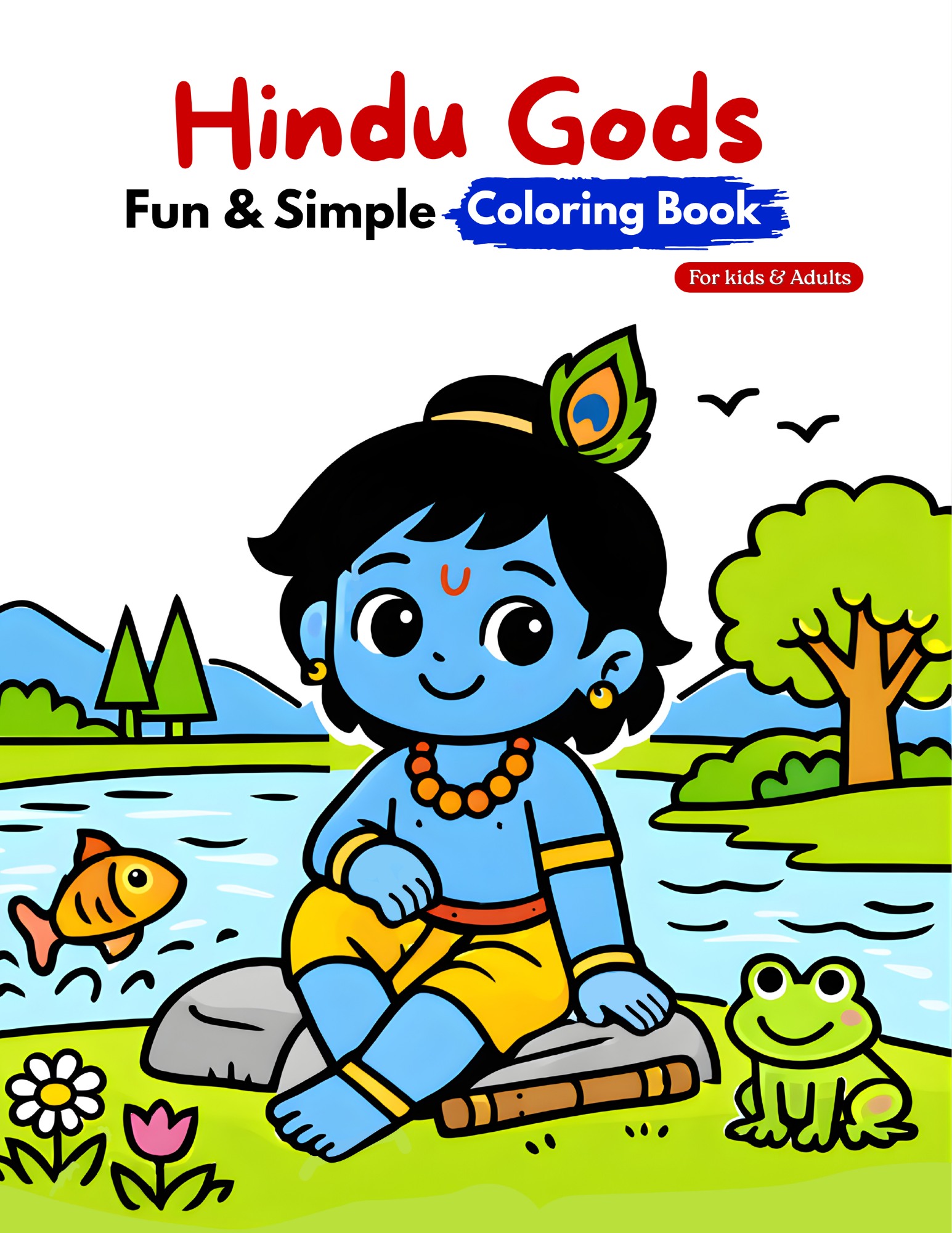 Hindu Gods Coloring Book
Krishna: playful and imaginative
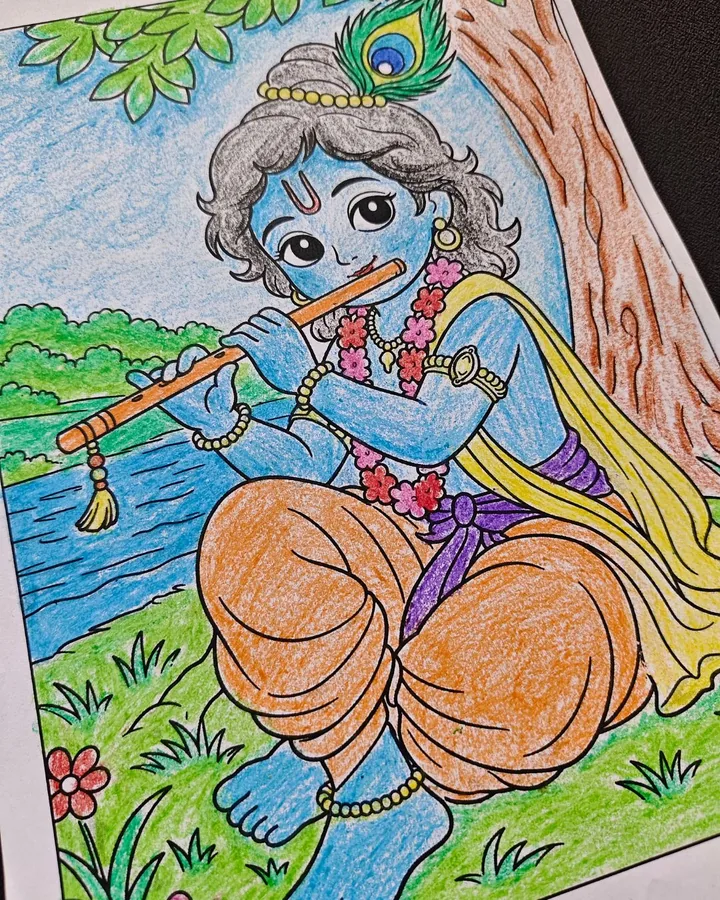
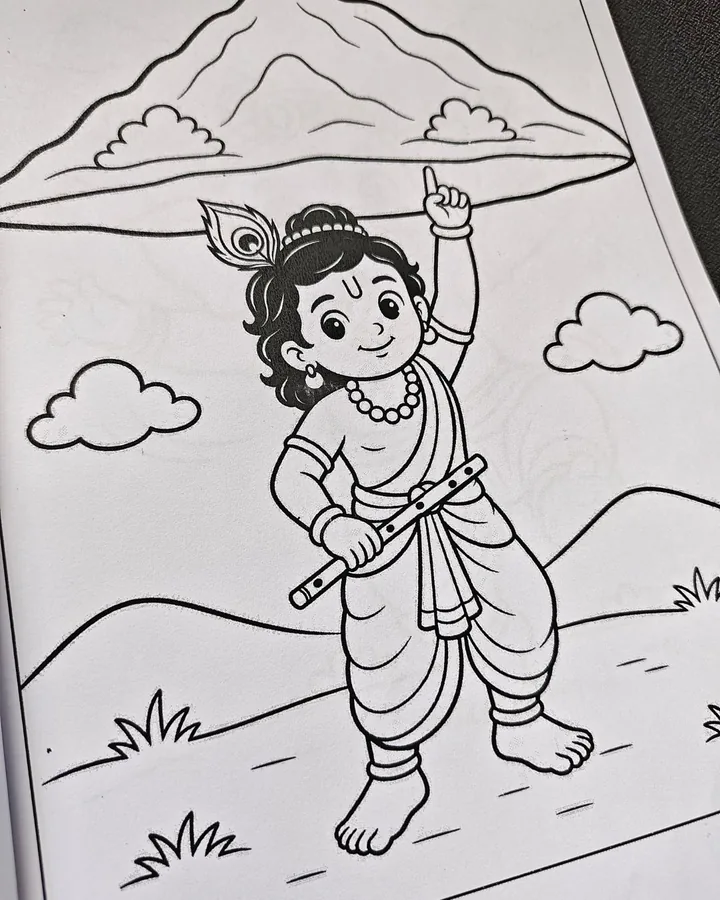
Krishna-themed coloring pages often include flutes, cows, peacock feathers, butter pots, flowers, and joyful scenes. These images can be especially appealing to children who enjoy nature, music, and colorful storytelling.
This is a strong choice for Janmashtami or for a child who already loves Little Krishna stories.
Ganesha: warm and welcoming
Ganesha is often one of the first Hindu deities children recognise. His elephant-headed form, friendly imagery, and festival connection make him particularly suitable for younger colorists.
A Ganesha book can also be a thoughtful gift for a child starting school, trying a new activity, or celebrating Ganesh Chaturthi.
Hanuman: brave and energetic
Hanuman-inspired pages may appeal to children who like bold characters, action, and stories about loyalty and service.
Use a Hanuman coloring book during quiet creative time, travel, temple classes, or as part of a Hanuman Jayanti activity basket. Pair it with crayons and a short storybook for a meaningful gift.
Rama: thoughtful and story-led
Lord Rama-themed pages work well for children who enjoy following stories and learning through characters. They can support conversations about kindness, courage, family, and making thoughtful choices.
A Rama coloring book is especially suitable for Rama Navami, Diwali, or a family storytelling routine.
Questions to Ask Before Buying
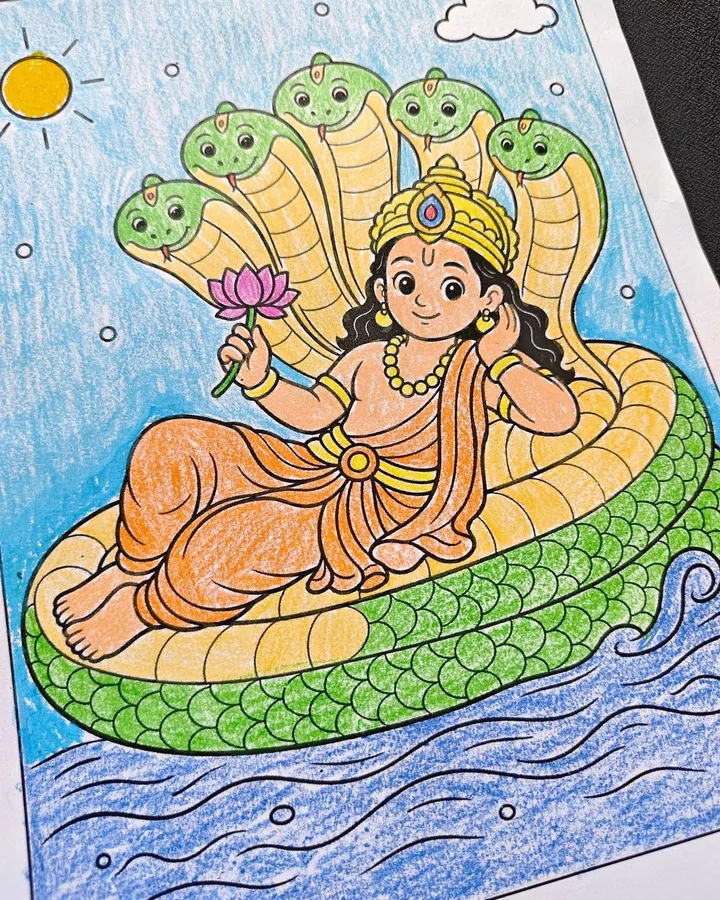
Before choosing an Indian gods colouring book, ask a few practical questions.
Does the art style suit my child?
Some children enjoy cute, simple illustrations. Others want more detailed scenes. Look for a style that fits your child's current coloring confidence and attention span.
Will this be used for a specific festival?
A Krishna book may be especially meaningful for Janmashtami. A Ganesha book can suit Ganesh Chaturthi. A Rama book may be ideal for Rama Navami or Diwali. A mixed collection works well when you want something useful throughout the year.
Is this a solo activity or a shared resource?
For one child, a single-deity book may feel personal and exciting. For siblings, cousins, or a temple class, a multi-theme book may offer better variety.
What art supplies will the child use?
Crayons work well for younger children and simple, bold designs. Colored pencils are useful for older children who enjoy detail. Washable markers can be fun, but check whether the paper is suitable before using them.
Do I want to create a gift bundle?
A coloring book becomes a ready-to-give gift when paired with a small crayon set, colored pencils, a sketchbook, stickers, or a child-friendly storybook. For festivals, add a greeting card or simple activity pouch. For birthdays, include a handwritten message that makes the gift feel personal.
Zippy Colorpop Book Collection
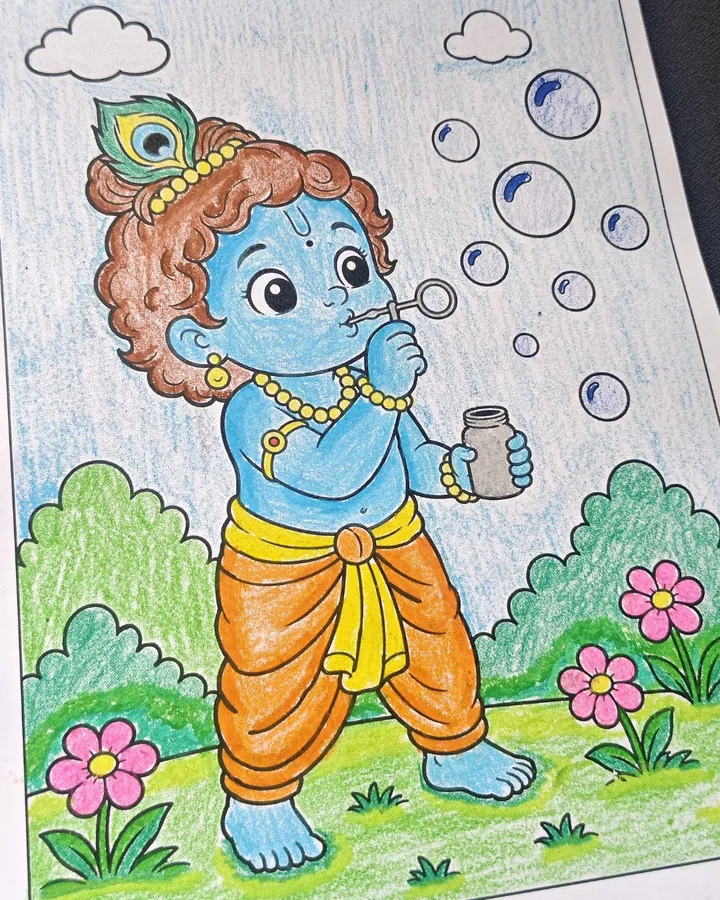
Zippy Colorpop's Hindu-themed coloring-book range gives parents several ways to choose by deity, story, and child interest.
The collection can work well for children ages 4-12, depending on the child's coloring confidence and the level of detail they enjoy. When comparing books, check the current product pages for the latest cover design, page count, paper information, and availability.
Choose Krishna for joyful creative play
A Krishna-themed book is a natural choice for children who enjoy Little Krishna imagery, playful stories, animals, and music-inspired scenes.
Choose Ganesha for a friendly first theme
A Ganesha book can be especially inviting for younger children and is a useful option for Ganesh Chaturthi, school milestones, or simple screen-free creative time.
Choose Hanuman for courage and imagination
A Hanuman book can appeal to children who love brave characters and story-based coloring activities. It is also a thoughtful travel or festival gift.
Choose Rama for family storytelling
A Rama book suits children who enjoy story-led activities and families looking for a creative way to support Rama Navami or Diwali conversations.
Choose a Hindu gods collection for variety
A multi-theme book is ideal for families, classrooms, and gift buyers who want several stories and visual themes in one place.
FAQs
What is an Indian gods colouring book?
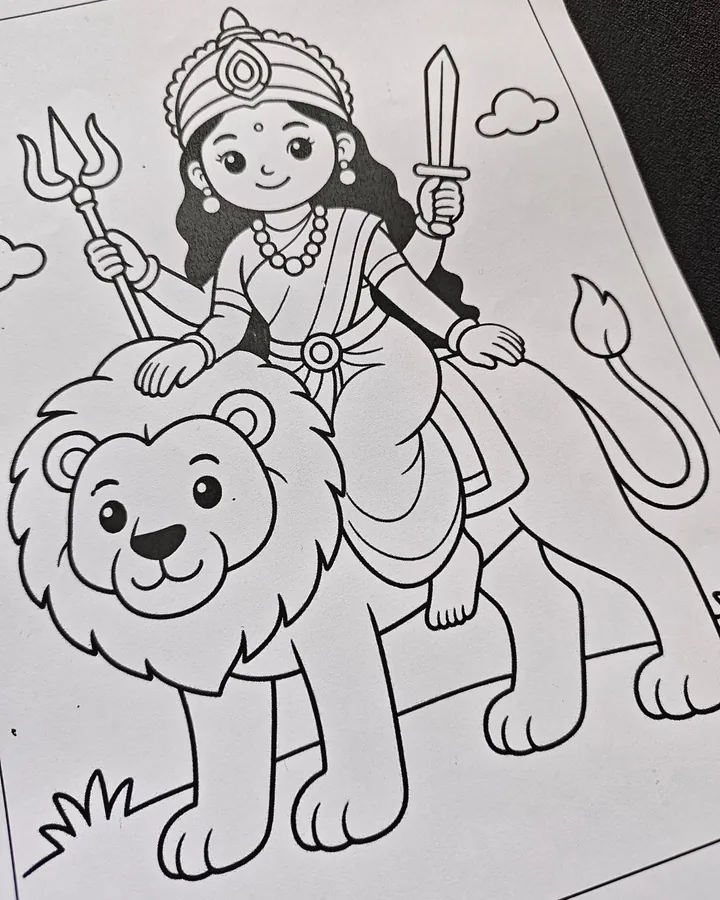
An Indian gods colouring book is a children's activity book featuring Hindu deities, cultural symbols, stories, or festival-inspired artwork. Some books focus on one deity, while others include multiple themes.
What age is best for a Hindu gods coloring book?
Hindu gods coloring books can work well for children ages 4-12. Younger children generally prefer simple pages with bold outlines, while older children may enjoy more detailed scenes and colored-pencil work.
Should I choose one deity or a mixed collection?
Choose one deity if the child already has a favorite story or festival connection. Choose a mixed collection when you want variety, are buying for siblings, or are not sure which theme the child will enjoy most.
Are Indian deity coloring books good gifts?
Yes. They are thoughtful, screen-free gifts for birthdays, festivals, return gifts, family visits, travel activity kits, and temple-class events. Add crayons or colored pencils to create a complete activity bundle.
How can parents use a coloring book to encourage cultural learning?
Keep it simple. Sit with the child, share a short story, ask what they notice, or connect the page to a family festival or memory. Let the child lead the conversation through their questions and creativity.
Choose a Book That Feels Personal
The best Indian gods colouring book is one that makes your child feel curious, creative, and happy to return to the page. Start with the stories, characters, and celebrations they already enjoy, then choose a book that fits their age and artistic confidence.
Whether your child loves Krishna's playful world, Ganesha's familiar warmth, Hanuman's courage, Lord Rama's stories, or a wider collection of deities of India, a thoughtfully chosen coloring book can become a meaningful part of family creative time.