10 Screen-Free Hindu Activities for Kids at Home
Screen-free Hindu activities can help children connect with culture in ways that feel playful, relaxed, and age-appropriate. The goal is not to turn every activity into a lesson. It is to create small moments of curiosity, creativity, family connection, and pride.
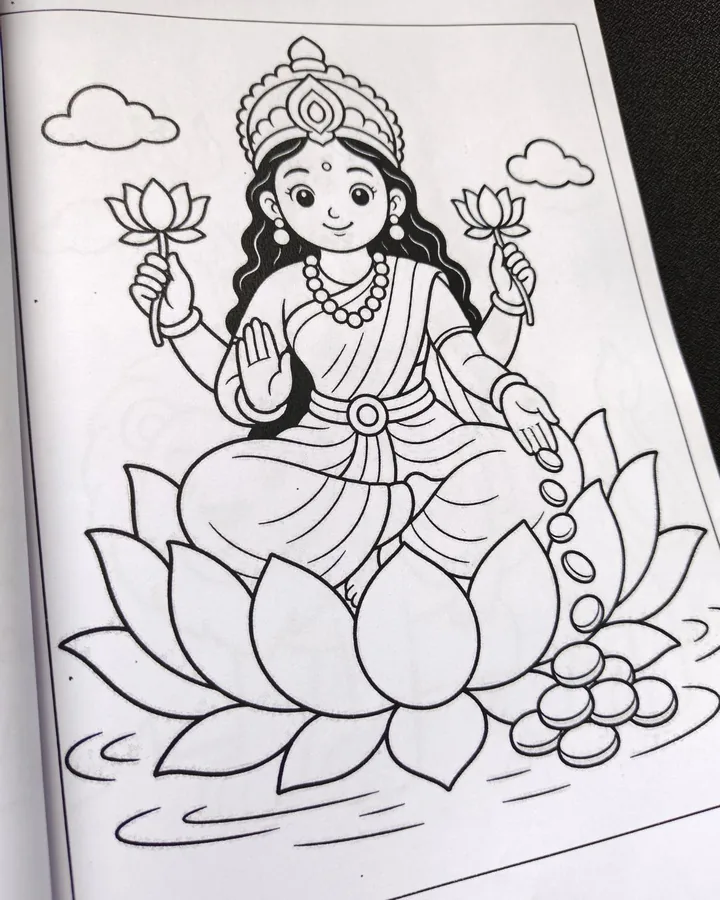
Coloring books work especially well because they are easy to start, easy to pause, and useful for children of different ages. But they are only one of many simple ways to bring Hindu stories, festivals, symbols, music, and family traditions into everyday life.
These Hindu activities for kids are designed for families with children ages 4-12. Most require little preparation, common household supplies, and a willingness to let children ask questions, choose their own ideas, and enjoy the process.
Whether you are looking for a quiet after-school activity, a weekend family routine, a travel idea, or a festival activity, these ideas can help make Hindu culture activities feel natural and joyful at home.
1. Hindu-Themed Coloring Time
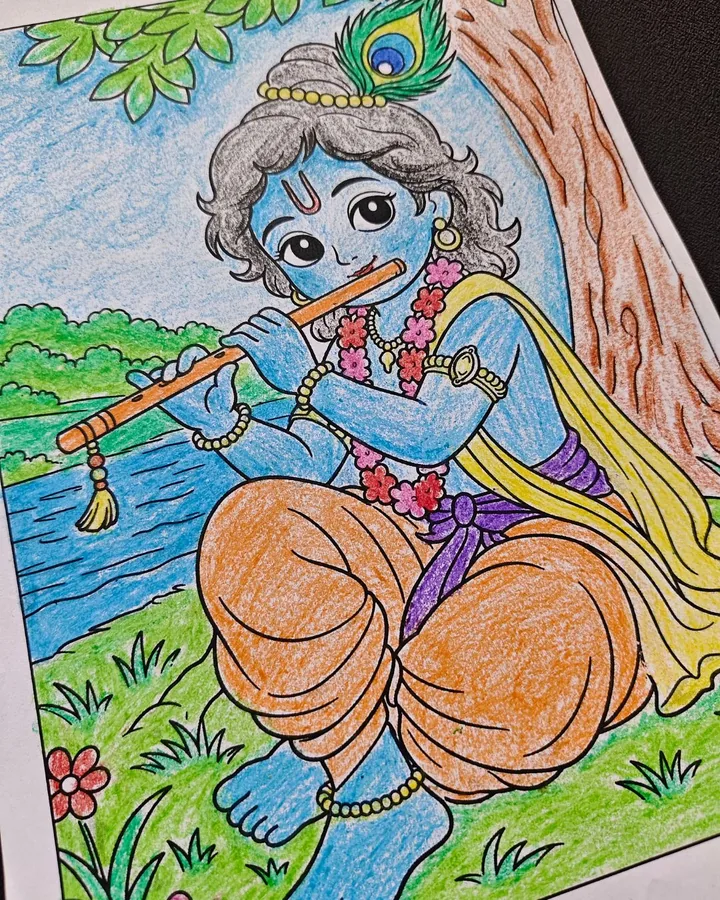
Coloring is one of the easiest Hindu activities at home because children can begin with very little setup. All you need is a coloring book or printable page, crayons or colored pencils, and a comfortable place to create.
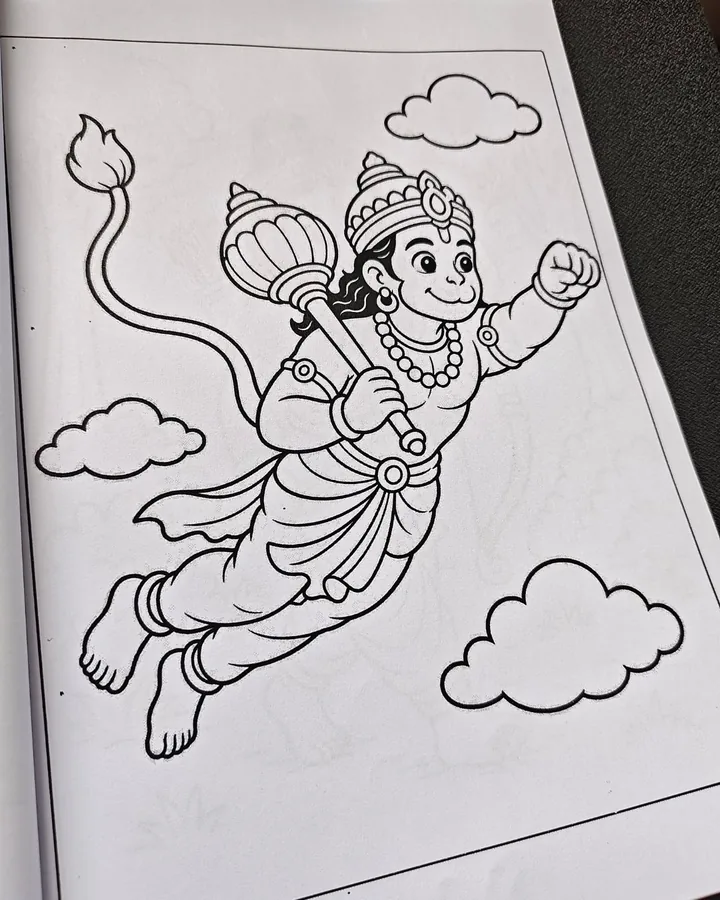
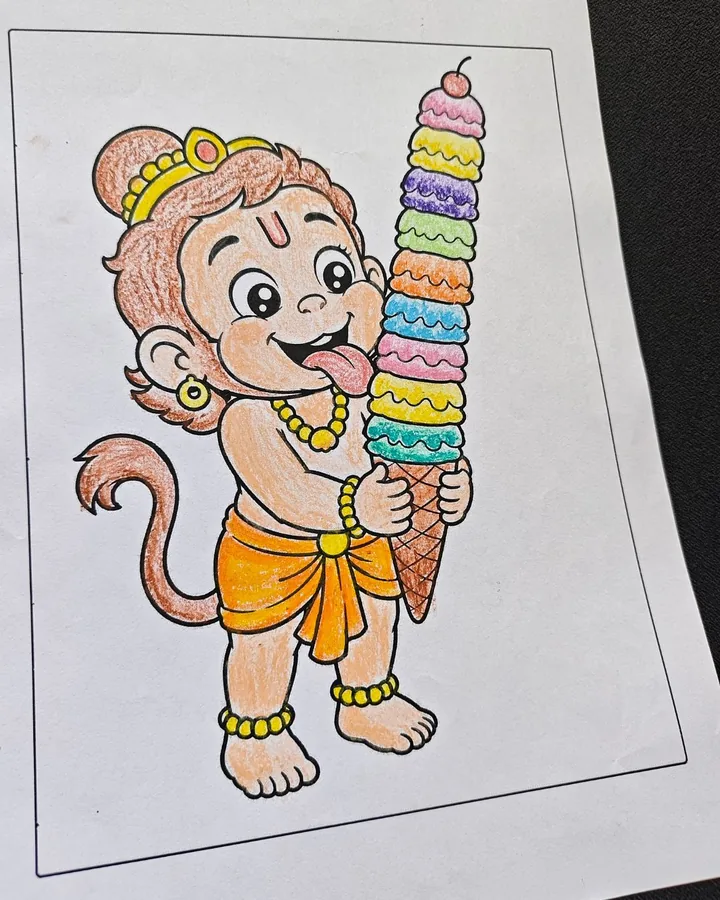
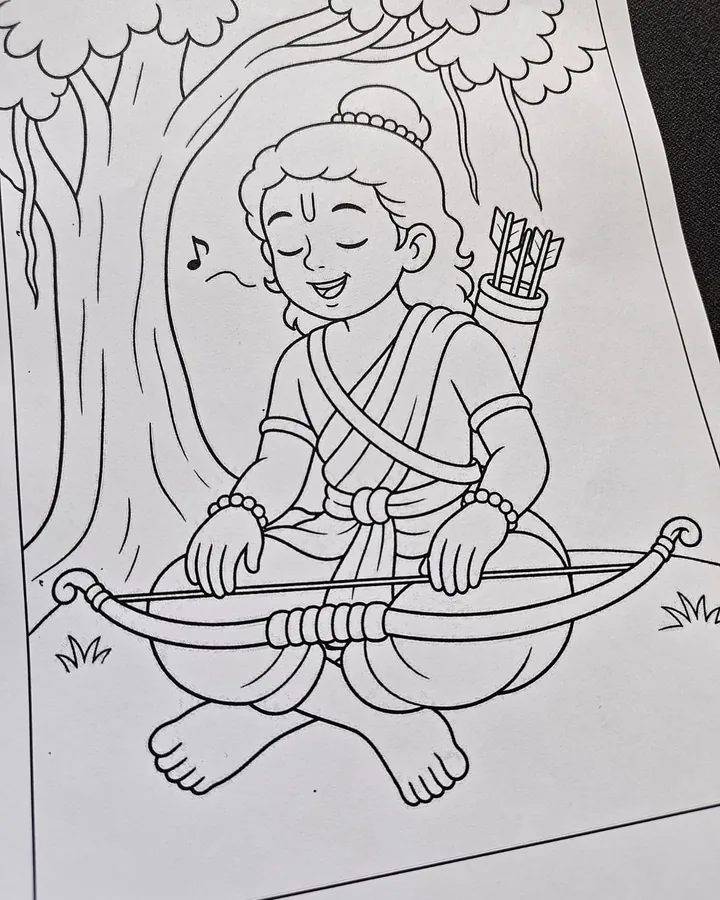
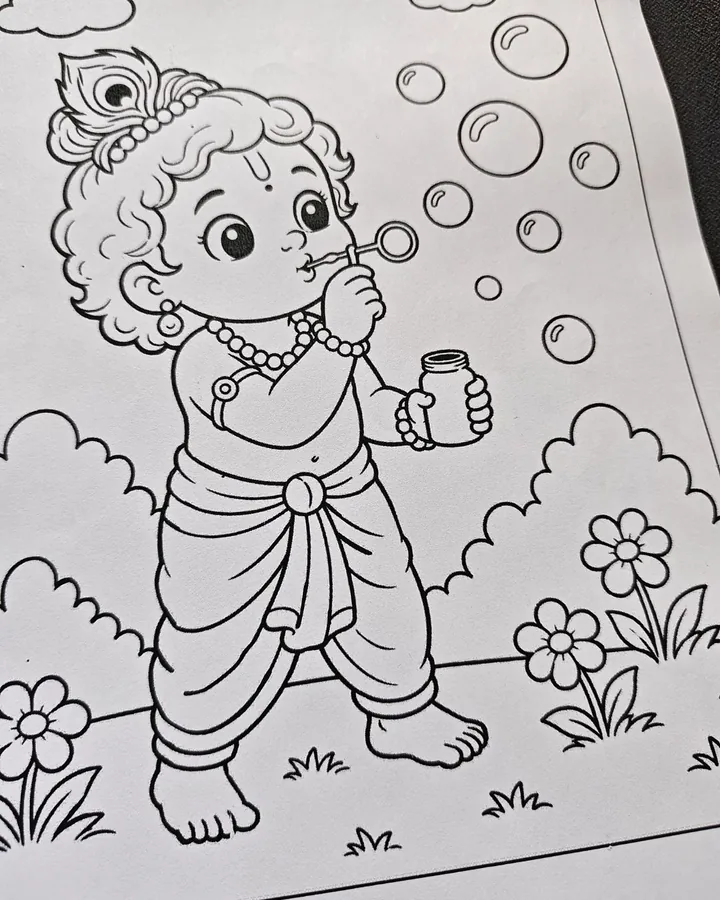
Choose themes that feel familiar or interesting to your child. Krishna pages may appeal to children who enjoy music, peacocks, cows, and playful stories. Ganesha pages can be especially welcoming for younger children. Hanuman pages may suit children who enjoy brave characters, while Rama-inspired pages can support storytelling and family conversations.
Make coloring time feel special
Create a small art basket with Hindu-themed coloring books or printables, crayons, colored pencils, washable markers, blank paper, stickers, decorative tape, and a folder for finished artwork.
Let children choose the page they want to color. Avoid correcting their color choices or expecting them to stay inside the lines. A rainbow-colored peacock or a purple sky is part of creative play.
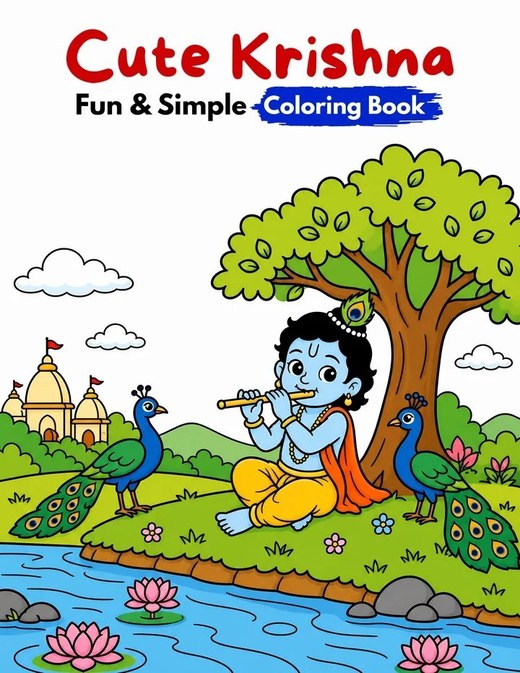 Krishna Coloring Book
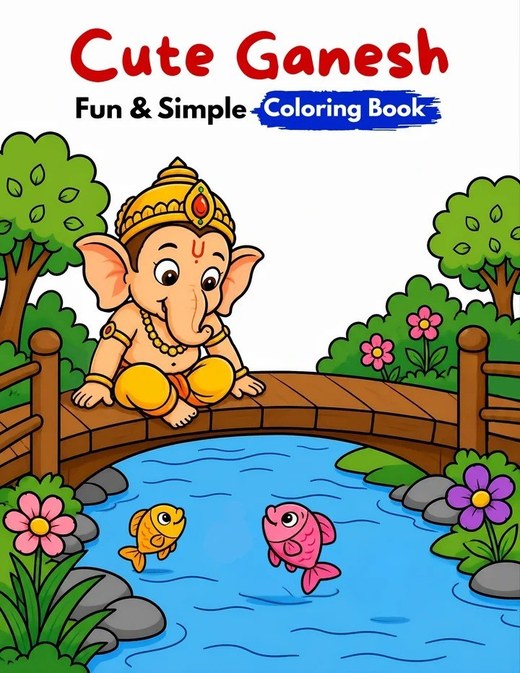 Ganesh Coloring Book
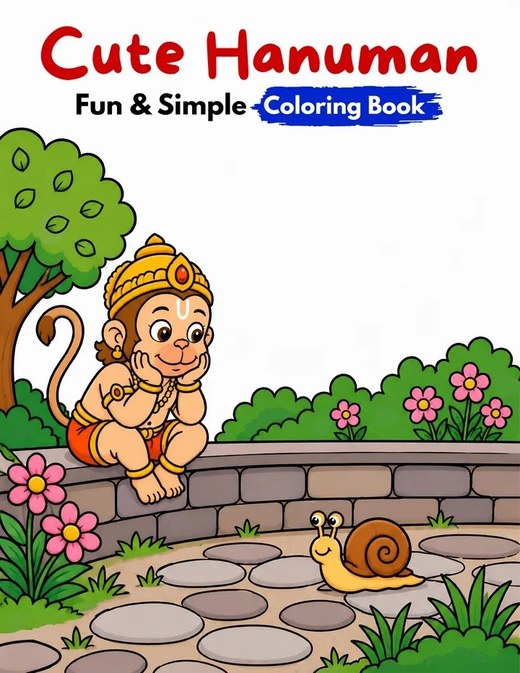 Hanuman Coloring Book
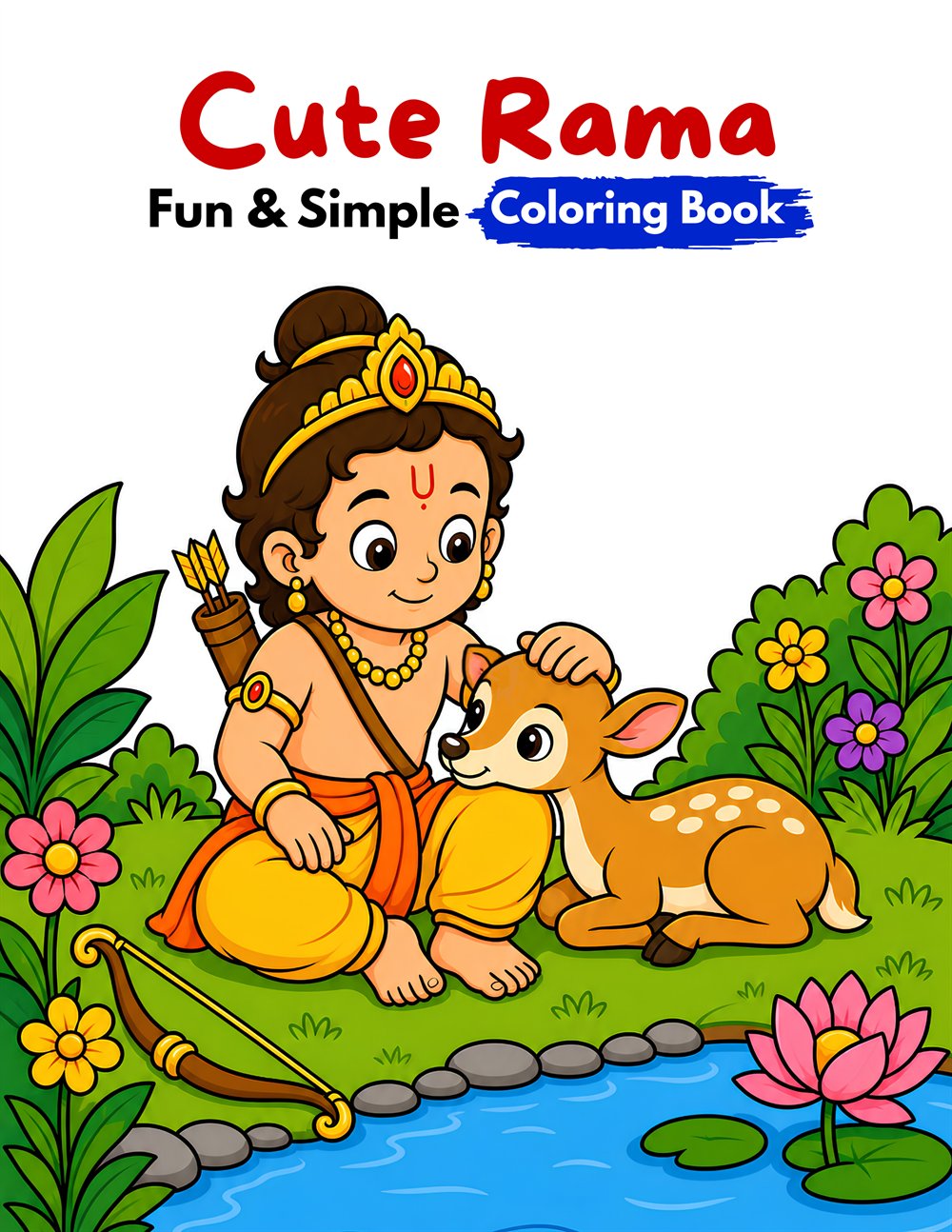 Rama Coloring Book
2. Storytelling With Simple Questions
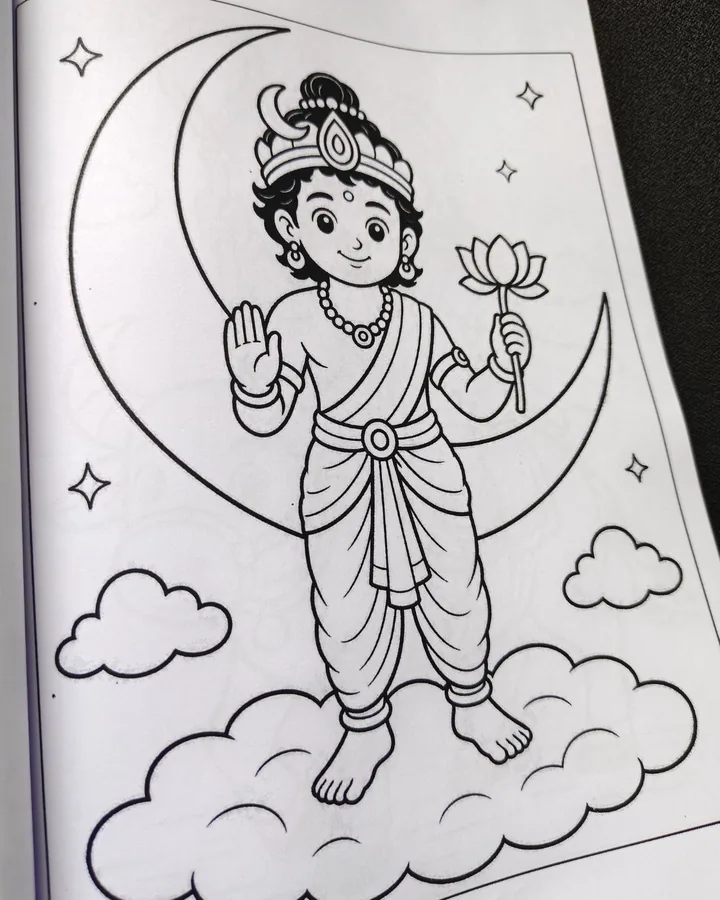
You do not need to know every detail of a story to share it with a child. Start with a simple character, a short moment, or a value your child can understand.
You might share a short story about Krishna's playful nature, Ganesha and learning, Hanuman helping Lord Rama, or Rama making thoughtful choices. Keep the explanation brief, then invite your child to respond.
Try these story questions
- What do you think is happening in this picture?
- Which character would you like to know more about?
- What would you do if you were in this story?
- How did the character help someone?
- What does being brave or kind mean to you?
These questions make storytelling interactive. Children do not have to remember names or details perfectly. They can listen, imagine, and connect the story to their own experiences.
3. Festival Decoration Activities
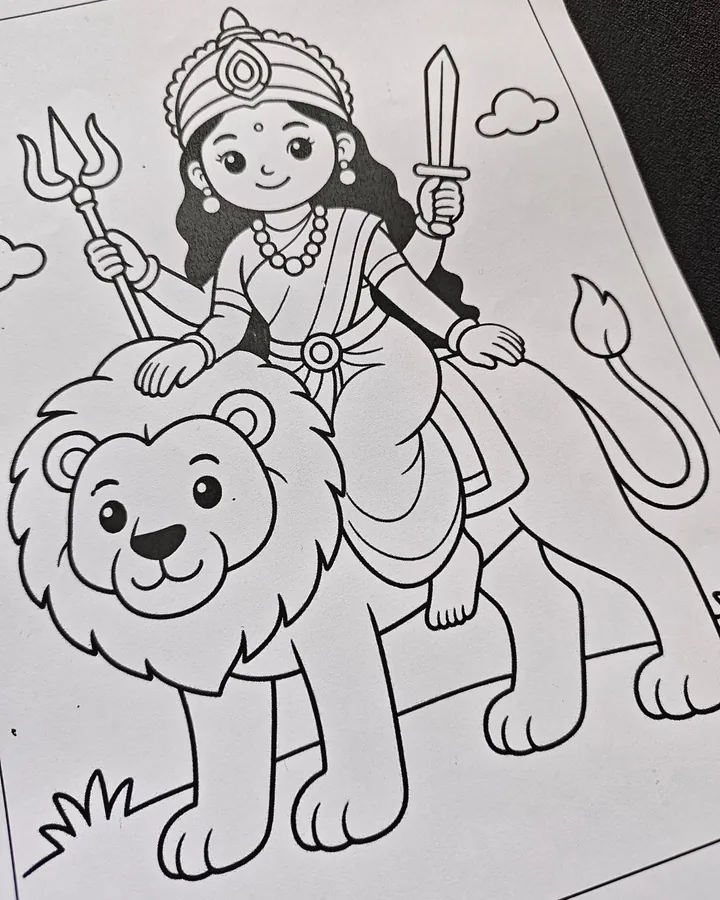
Festival decorations are among the most enjoyable Indian activities for kids because children can see the results of their work around the home. Keep projects simple. A small, child-made decoration is often more meaningful than an elaborate craft that requires an adult to do most of the work.
Easy festival craft ideas
- For Diwali, invite children to color diya pictures, create paper lanterns, or decorate rangoli patterns.
- For Janmashtami, children can color Krishna-themed pages, make paper peacock feathers, or decorate a simple flute cutout.
- For Ganesh Chaturthi, offer Ganesha coloring pages, flower-shaped paper crafts, or a bright welcome sign.
- For Rama Navami, children can color Rama-inspired scenes or make a kindness and courage poster.
The goal is not to create perfect decorations. It is to let children feel involved in the celebration.
4. Create a Family Culture Corner
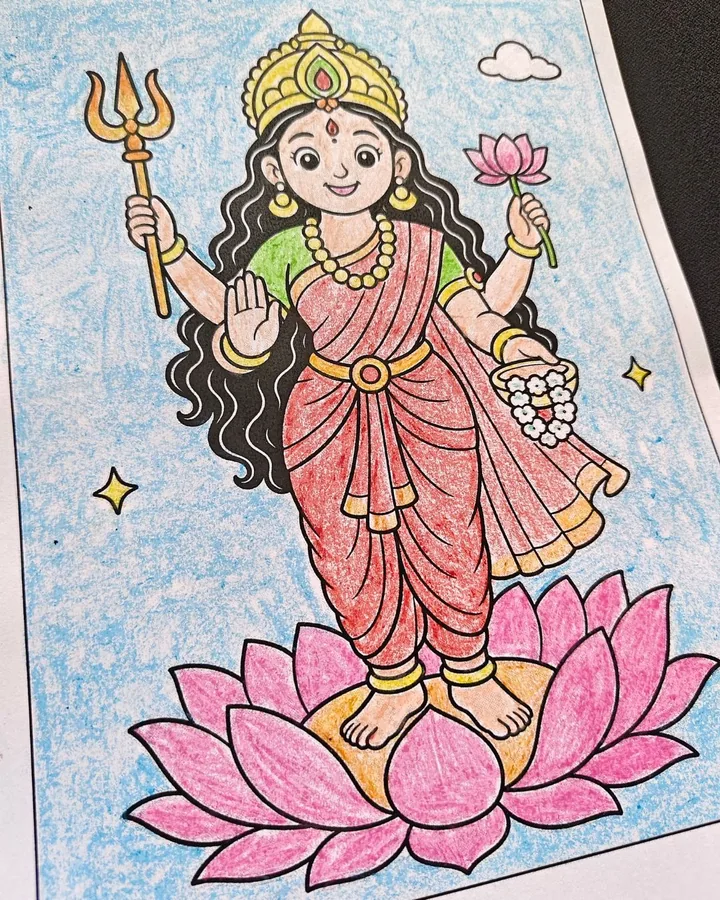
A family culture corner is a small space where children can explore books, artwork, crafts, and objects connected to their heritage or family traditions. It does not need to be elaborate. A shelf, side table, or basket can become a rotating activity space.
You might add a Hindu coloring book, child-friendly storybooks, festival cards, family photos, a small notebook for drawings, printed festival calendars, children's artwork, a family-friendly music playlist, or a folder of completed coloring pages.
Change the items based on the season or festival. During Janmashtami, add Krishna-themed art. During Diwali, include diyas, rangoli sheets, and festival books. During Ganesh Chaturthi, use Ganesha pages and simple craft supplies.
5. Play the Match the Deity to the Symbol Game
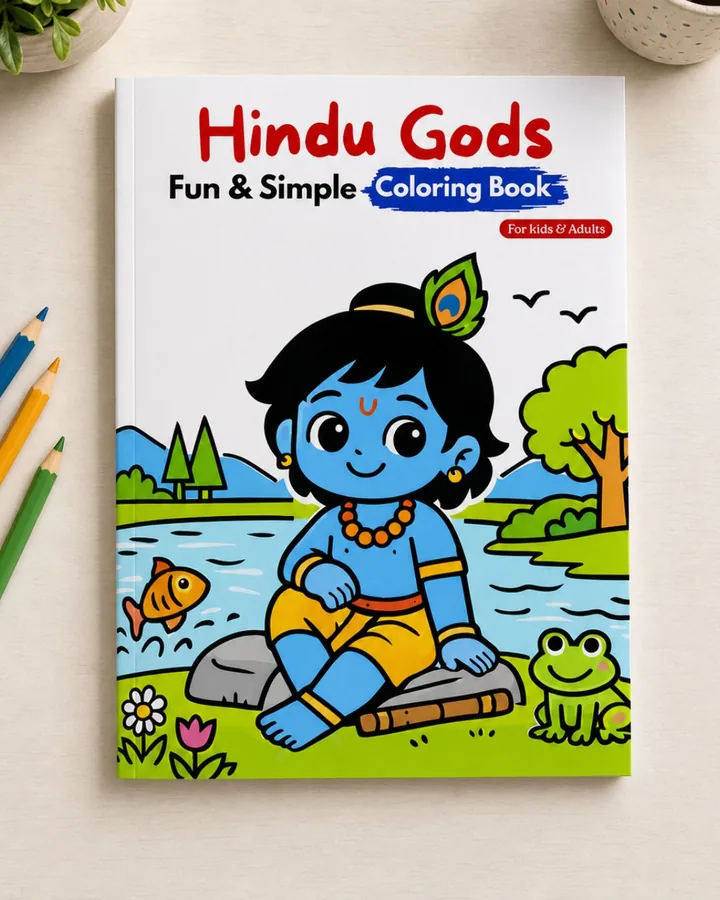
This activity works well for siblings, cousins, small groups, or a parent and child. Create simple picture cards with a deity on one card and a familiar symbol on another, then ask children to match the pairs.
- Krishna and a flute
- Ganesha and a modak
- Hanuman and a gada
- Rama and a bow
- Lakshmi and a lotus
- Saraswati and a veena
For younger children, use only two or three pairs at a time. For older children, add more cards and invite them to explain what they notice.
Keep it playful
Do not worry if a child gets something wrong. The activity works best when it feels like a game rather than a quiz. You can also let children make their own cards by drawing a symbol on one card and a character on another.
6. Use Coloring and Conversation Prompts
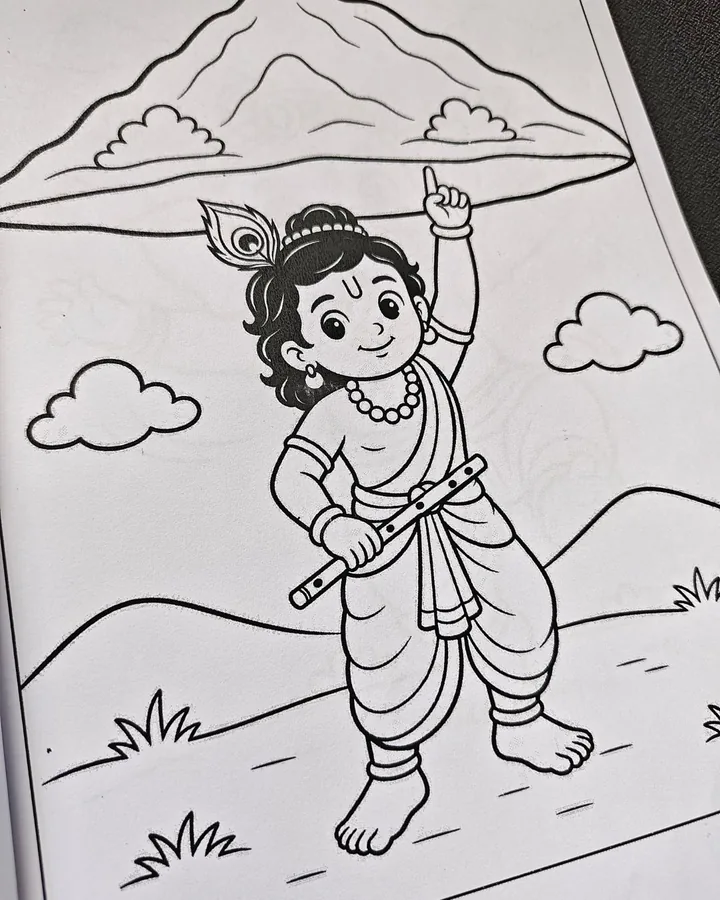
Coloring becomes even more meaningful when you add a simple prompt. This can help children connect art with imagination, family values, or cultural stories.
Conversation prompts for Hindu coloring pages
For Krishna-inspired pages, ask what kind of music Krishna might be playing, what colors the peacock feathers should be, or who the child would invite to a joyful celebration.
For Ganesha pages, ask what it feels like to start something new, what the child wants to learn this week, or how the family can help someone who is learning.
For Hanuman pages, ask when the child has been brave, how they can be helpful at home, or what they would do to help a friend.
For Rama pages, ask what it means to make a kind choice, how the family can show care, or what the child would do if a friend needed help.
7. Make a Temple Visit Activity Pack
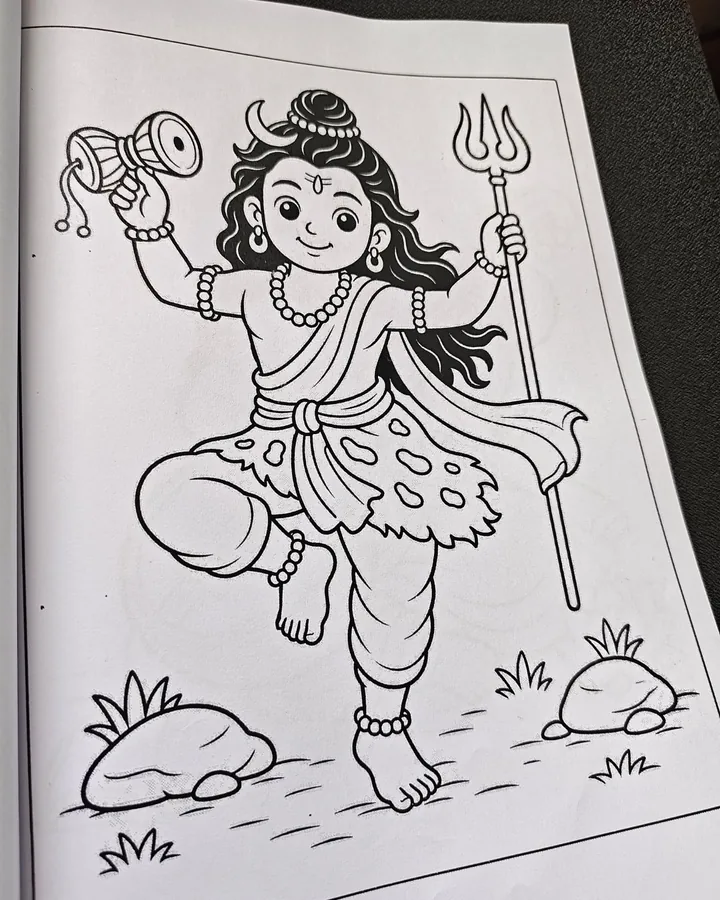
Temple visits can be meaningful for children, but younger children may need something quiet to do before or after the visit, especially during longer events or family gatherings.
Create a small activity pouch with a slim Hindu coloring book, crayons or colored pencils, a clipboard or hard folder, a small notebook, stickers, and a snack or water bottle where appropriate.
After the visit, invite children to draw one thing they noticed: flowers, music, a bell, colors, people gathering, or a favorite part of the experience.
Keep expectations age-appropriate
Children do not need to sit still or understand everything. Encourage them to observe, ask questions, and share what they enjoyed. A simple post-visit question can help: "What was one thing you noticed today?"
8. Add Family Music and Movement Time
Not every cultural activity needs to happen at a table. Music and movement can be especially helpful for energetic children who may not want to sit for long coloring sessions.
Play a family-friendly bhajan, instrumental piece, or devotional song, then invite children to move, clap, dance, or create a simple rhythm with hands or household objects.
Simple music activities
- Clap along to a beat.
- Move like a peacock, elephant, monkey, or cow.
- Make up a dance for a favorite song.
- Draw what they imagine while listening.
- Choose a happy, calm, or celebration color palette after hearing the music.
9. Start a Family Gratitude and Kindness Jar
A gratitude jar is an easy way to bring everyday values into family life. It can connect naturally with themes children encounter in Hindu stories, such as kindness, service, courage, learning, and care for others.
Place a jar and small slips of paper in a visible spot. Invite family members to add notes during the week.
Prompts to use
- Something kind someone did for me
- One way I helped another person
- Something I learned today
- A moment that made me feel grateful
- A brave thing I tried
- A way I can make tomorrow better
At the end of the week, read a few notes together. This creates a simple family ritual that does not require screens, purchases, or complicated planning.
10. Gift a Hindu Coloring Book
A Hindu-themed coloring book is one of the easiest gifts to give because it is useful, portable, screen-free, and easy to personalize. It can work for birthdays, family visits, festival baskets, return gifts, temple classes, road trips, or quiet afternoons at home.
Create a simple activity gift set
Pair a coloring book with crayons or colored pencils, a pencil pouch, a small sketchbook, stickers, a child-friendly storybook, and a handwritten note.
Match the book to the child's interests. Choose Krishna for a child who enjoys playful stories, music, and animals. Choose Ganesha for a younger child or someone beginning a new school year. Choose Hanuman for a child who likes brave characters. Choose Rama for a child who enjoys stories and thoughtful themes.
Choosing Hindu Activities by Age
Ages 4-6
Keep activities short, simple, and hands-on. Coloring, movement games, paper crafts, and matching games usually work well. Use large crayons, clear outlines, and no-pressure instructions.
Ages 7-9
Add more storytelling, conversation prompts, and creative challenges. Children in this group may enjoy making their own matching cards, decorating a festival space, or creating a short picture story.
Ages 10-12
Offer more independence. Older children may enjoy detailed coloring pages, journaling prompts, researching a festival with a parent, creating decorations, or helping younger siblings with a game or craft.
The best Hindu activities at home are the ones children want to repeat. Let their interests guide the next activity.
FAQs
What are easy Hindu activities for kids at home?
Easy options include Hindu-themed coloring, simple storytelling, festival crafts, family music time, deity-symbol matching games, gratitude jars, and cultural activity baskets.
What is a good screen-free Hindu activity for travel?
A coloring book with crayons or colored pencils is one of the easiest travel activities. It is lightweight, simple to pause, and useful during car rides, flights, restaurant waits, and family visits.
How can I teach Hindu culture without making it feel like school?
Keep activities short, creative, and child-led. Use stories, coloring, music, crafts, and questions instead of long explanations. Let children decide what they want to color, ask about, or create.
Are Hindu coloring books suitable for mixed-age siblings?
Yes. Younger children can use crayons and simple pages, while older children can add patterns, shading, and backgrounds. A multi-theme coloring book also gives each child more choice.
Can these activities work for temple or Bal Vihar classes?
Yes. Coloring pages, story prompts, symbol-matching games, and festival crafts can work well in small groups. Keep the content respectful, age-appropriate, and flexible for different levels of familiarity.
Make Screen-Free Time Feel Meaningful
The best Hindu activities for kids do not require perfect planning. A coloring page, a short story, a song, a paper craft, or a family conversation can create a meaningful connection.
Start with one activity your child will enjoy. Keep it simple, let creativity lead, and make space for questions. Over time, these small moments can become family traditions children remember.